 DriveQuest
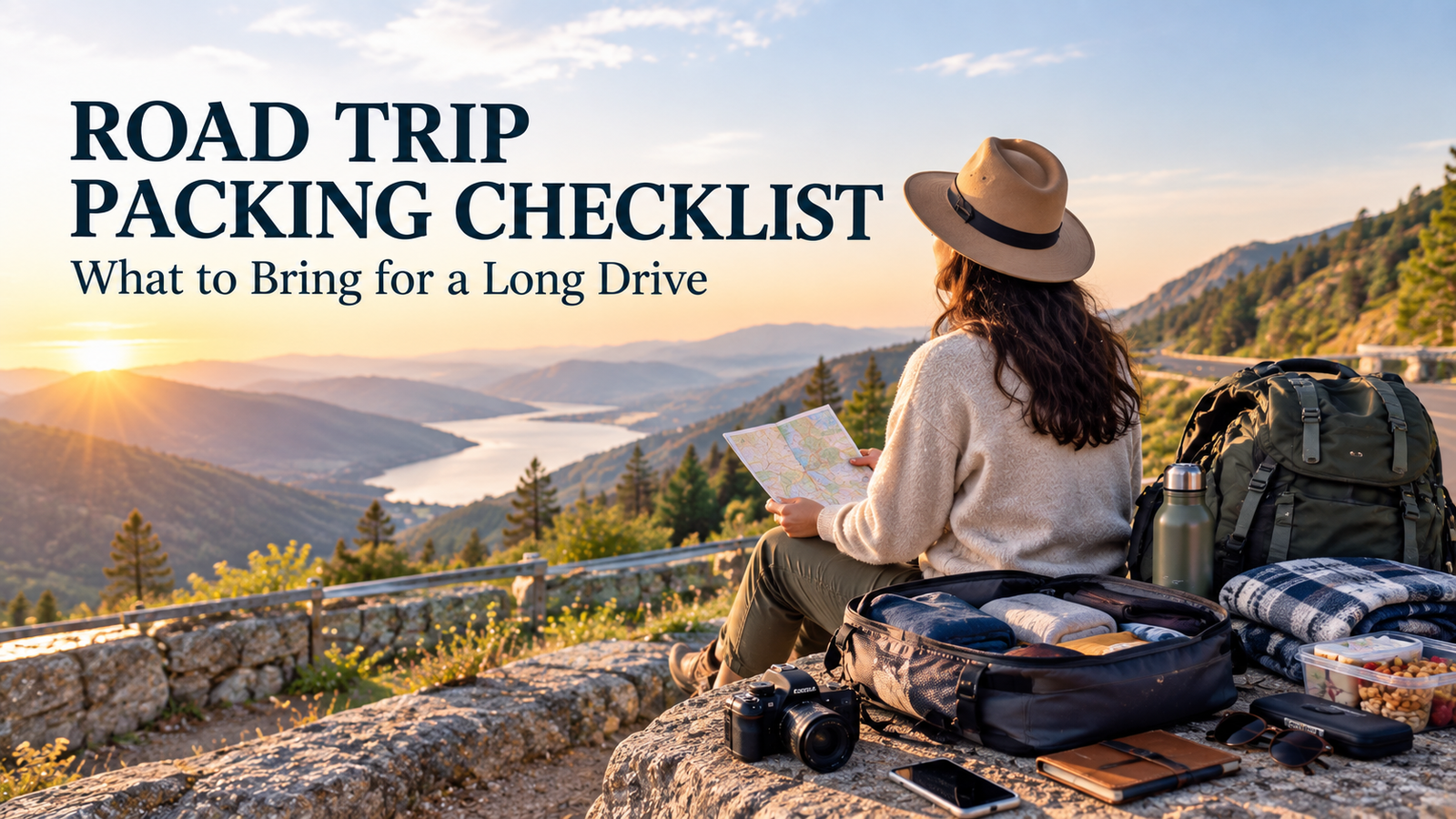
Road Trip Packing Checklist: What to Bring for a Long Drive
A long drive can be exciting, but forgetting one small item can quickly turn a comfortable road trip into an unnecessary headache. A dead phone, missing charger, no water, or an emergency you weren’t prepared for can make the journey much harder than it needs to be.
That’s why a good road trip packing checklist should cover more than clothes and toiletries. You also need to think about the car, food, navigation, personal items, safety supplies, entertainment, and the unexpected.
This checklist breaks everything down into simple categories so you can pack for a long drive without taking half your house with you.
Road Trip Packing Checklist: What to Bring for a Long Drive
Before you start putting things into bags, divide your packing into a few basic categories:
- Car and emergency essentials
- Travel documents
- Clothing and personal items
- Food and drinks
- Electronics and chargers
- Navigation supplies
- Comfort items
- Entertainment
- Overnight essentials
- Family or pet supplies
This makes packing much easier because you can check one category at a time instead of trying to remember everything at once.
1. Car Essentials to Pack Before a Long Drive
Your car is the most important part of a road trip, so start your checklist here.
Basic Car Supplies
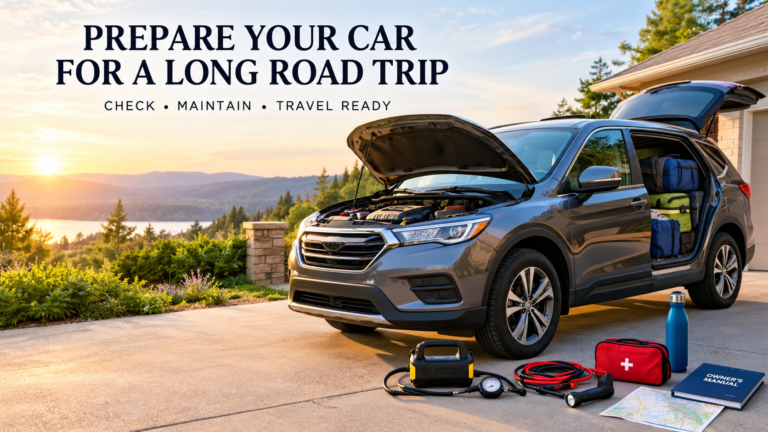
Pack items that can help you deal with common problems on the road:
- Phone charging cable
- Car phone charger
- Portable power bank
- Flashlight
- Basic first-aid kit
- Emergency blanket
- Work gloves
- Jumper cables or a suitable jump starter
- Tire pressure gauge
- Tire repair or inflation equipment appropriate for your vehicle
- Reflective safety gear
- Basic tools
- Spare tire and properly stored tire-changing equipment, if your vehicle has them
You don’t necessarily need a huge toolbox. The goal is to have a few useful items available if you experience a minor problem far from home.
Check the Car Before Packing
Packing an emergency kit is useful, but prevention matters too.
Before leaving, check:
- Tire pressure
- Tire condition
- Engine oil level
- Coolant level
- Windshield washer fluid
- Lights
- Wipers
- Brakes
- Fuel level
- Spare tire or tire-inflation system
If your vehicle is due for maintenance, getting it checked before a long drive is usually better than discovering a problem hundreds of miles from home.
2. Travel Documents and Important Information
Keep important documents somewhere that is easy to reach but secure.
Your road trip packing checklist should include:
- Driver’s license
- Vehicle registration
- Proof of insurance
- Hotel or accommodation confirmations
- Reservation information
- Emergency contact information
- Roadside assistance information
- Payment cards
- Some backup payment method
- Any required travel documents
A small document pouch can keep everything together.
For longer trips, it can also be useful to keep digital copies of important confirmations on your phone while retaining the originals you actually need.
3. Clothing for a Long Road Trip
One common packing mistake is bringing too many clothes.
For a typical road trip, focus on comfortable, practical clothing that works with the weather and activities you actually have planned.
Consider packing:
- Comfortable shirts
- Pants or shorts
- Underwear
- Socks
- Sleepwear
- Comfortable shoes
- Light jacket or sweater
- Rain jacket if appropriate
- Hat or cap
- Sunglasses
- Extra outfit
Pack for the Weather, Not the Calendar
A trip during the same month can feel completely different depending on the destination.
Check the expected weather for your route and destination before deciding what to bring.
If you’re traveling through multiple climates, keep a jacket or extra layer somewhere accessible rather than buried at the bottom of your luggage.
4. Food and Drinks for the Drive
You don’t need to pack every meal for an entire trip, but having food and drinks available can make long drives easier.
Good road trip food options include:
- Bottled water or a reusable water bottle
- Fruit
- Nuts
- Granola bars
- Crackers
- Sandwiches
- Dried fruit
- Cheese or other foods that can safely be kept cold
- Individually portioned snacks
A small cooler can be useful for foods that need to stay cold.
Don’t Forget a Trash Bag
This sounds minor, but it makes a surprisingly big difference.
Keep a small bag inside the car for wrappers, tissues, bottles, and other waste. Replace it whenever you stop.
A cleaner car is simply easier to live in during a long drive.
5. Electronics and Charging Essentials
Your phone may handle navigation, communication, entertainment, reservations, and emergencies, so keeping it charged matters.
Pack:
- Smartphone
- Car charger
- Charging cables
- Power bank
- Headphones
- Tablet or laptop if needed
- Camera and accessories if you’re bringing one
- Extra charging adapter if required
If you’re traveling with several people, consider bringing enough charging options so everyone isn’t fighting over one outlet.
Download Important Information Before Leaving
Depending on your route and phone service, downloading maps or important travel information ahead of time can provide a useful backup.
You don’t want your entire navigation plan to depend on having a perfect mobile connection at every point along the journey.
6. Navigation Supplies
Modern navigation apps are convenient, but it’s smart to have a backup plan.
Your checklist can include:
- Smartphone with navigation
- Car phone mount
- Offline maps
- Printed directions for complicated routes
- List of planned stops
- Accommodation addresses
- Fuel-stop plan
You don’t need to print an entire atlas. A simple backup containing your major destinations, hotel addresses, and key route information can be enough.
7. Toiletries and Personal Care Items
Pack the items you’ll actually use instead of buying everything at the destination.
Basic toiletries may include:
- Toothbrush
- Toothpaste
- Deodorant
- Shampoo
- Soap
- Hairbrush or comb
- Moisturizer
- Sunscreen
- Lip balm
- Hand sanitizer
- Tissues
- Wet wipes
- Personal hygiene products
- Prescription or regularly used personal items
Keep frequently needed items somewhere accessible, especially if you’re stopping overnight.
8. Comfort Items for a Long Drive
A long drive can become uncomfortable even when everything else goes according to plan.
Consider bringing:
- Neck pillow
- Small travel blanket
- Sunglasses
- Reusable water bottle
- Comfortable shoes
- Light jacket
- Seat cushion if you already use one
- Wet wipes
- Tissues
- Hand sanitizer
Avoid packing loose objects that can move around the passenger area. Keep bags and heavier items secured appropriately.
9. Entertainment for the Road
If you’re traveling with passengers, entertainment can make long stretches of highway feel much shorter.
Depending on your preferences, pack:
- Downloaded playlists
- Podcasts
- Audiobooks
- Headphones
- Downloaded movies or shows for passengers
- Travel games
- Books or e-readers
- Conversation games
If children are traveling with you, prepare entertainment before departure rather than assuming you can download everything along the way.
The driver should always keep their attention on driving and avoid using entertainment devices while driving.
10. Overnight Road Trip Packing Checklist
If your long drive includes a hotel stop, don’t make yourself unpack the entire vehicle.
Create a small overnight bag containing:
- One change of clothes
- Sleepwear
- Toiletries
- Phone charger
- Medication or personal essentials
- Basic hygiene items
- Important documents
This lets you leave most of your luggage in the car and take only what you need into the hotel.
11. Road Trip Packing Checklist for Families
Traveling with children requires a little more preparation.
Depending on their age, consider packing:
- Extra clothes
- Snacks
- Water
- Wipes
- Tissues
- Entertainment
- Headphones
- Small travel pillows
- Comfort items
- Necessary child-safety equipment
- Plastic bags for dirty clothing or unexpected messes
Keep frequently needed items within easy reach rather than placing them underneath large suitcases.
A separate small bag for children can be easier to manage than repeatedly opening the main luggage.
12. What to Pack for a Solo Road Trip
Solo travelers have fewer people to help when something goes wrong, so organization becomes even more important.
A solo road trip packing checklist should include:
- Fully charged phone
- Power bank
- Emergency supplies
- First-aid kit
- Water
- Snacks
- Important documents
- Offline navigation backup
- Roadside assistance information
- Basic personal toiletries
- Weather-appropriate clothing
It is also sensible to let someone you trust know your general route and expected stops, particularly for remote or long-distance travel.
13. Things You Should Keep Within Reach
Not everything should go inside the trunk.
Keep frequently used items somewhere accessible, such as:
| Item | Why Keep It Accessible? |
|---|---|
| Phone charger | You’ll likely need it during the drive |
| Water | Easy access reduces unnecessary stops |
| Snacks | Useful between planned stops |
| Sunglasses | Helpful when sunlight changes |
| Tissues/wipes | Quick cleanup |
| Travel documents | May be needed during stops |
| First-aid supplies | Easier to access when needed |
| Jacket | Weather can change during the trip |
| Trash bag | Keeps the car organized |
The exact setup depends on your vehicle, but the basic principle is simple: don’t bury things you’ll need during the journey.
14. How to Organize Your Road Trip Packing
A little organization can save you from digging through several bags at every stop.
Try using four main groups:
Bag 1: Main Luggage
Keep clothes, shoes, and items you won’t need while driving.
Bag 2: Daily or Overnight Bag
Keep one change of clothes, toiletries, chargers, and overnight essentials.
Bag 3: Car Access Bag
Keep snacks, water, tissues, wipes, chargers, and other items you’ll use regularly.
Bag 4: Emergency Kit
Keep safety and emergency equipment together so you can find it quickly.
This system works particularly well for multi-day trips because you don’t have to unpack everything at every hotel.
15. Road Trip Packing Checklist by Category
Here’s a quick version you can save and check before leaving.
Car & Safety
- Spare tire or vehicle-provided tire emergency equipment
- Tire pressure gauge
- Jumper cables or jump starter
- Flashlight
- First-aid kit
- Emergency supplies
- Basic tools
- Reflective safety equipment
- Phone charger
Documents
- Driver’s license
- Registration
- Insurance information
- Accommodation details
- Reservation information
- Emergency contacts
- Payment cards
Clothing
- Shirts
- Pants/shorts
- Underwear
- Socks
- Sleepwear
- Comfortable shoes
- Jacket
- Weather-appropriate clothing
- Extra outfit
Food & Drinks
- Water
- Snacks
- Meals if needed
- Cooler
- Reusable bottles
- Napkins
- Trash bags
Electronics
- Phone
- Charging cables
- Car charger
- Power bank
- Headphones
- Camera
- Downloaded maps
- Downloaded entertainment
Personal Items
- Toothbrush
- Toothpaste
- Deodorant
- Toiletries
- Sunscreen
- Hand sanitizer
- Tissues
- Wet wipes
- Personal essentials
Common Road Trip Packing Mistakes
Even experienced travelers can overpack or forget basic items.
Packing Too Much
You don’t need a separate bag for every possible situation. Pack according to the actual weather, activities, and length of your trip.
Forgetting an Accessible Day Bag
Packing everything into large suitcases can become frustrating when you need one charger or a clean shirt.
Keep frequently needed items separate.
Ignoring the Car
A road trip isn’t just about personal luggage. Check the vehicle and make sure you have basic emergency supplies before leaving.
Relying Completely on Your Phone
Your phone is useful, but batteries can die and mobile coverage can vary. Keep important addresses and travel information available offline.
Putting Everything in the Trunk
Water, snacks, chargers, tissues, and other frequently used items shouldn’t be buried under your luggage.
Forgetting an Extra Outfit
Spills, rain, unexpected delays, or other small problems can make an extra outfit very useful.
How Early Should You Pack for a Road Trip?
For a short trip, packing the night before may be enough, but a longer road trip deserves more preparation.
A simple approach is:
2–3 days before:
Check the weather, route, vehicle, reservations, and major supplies.
1 day before:
Pack clothing, toiletries, food, electronics, documents, and emergency supplies.
Before departure:
Check fuel, tires, lights, phone charge, navigation, water, and anything you need within reach.
This reduces the chance of discovering a missing item after you’ve already started driving.
Road Trip Packing Checklist: Final Pre-Departure Check
Before pulling out of the driveway, take five minutes for a final check.
Ask yourself:
- Do I have my driver’s license and vehicle documents?
- Is my phone charged?
- Do I have the correct charging cables?
- Do I have enough water and snacks?
- Have I checked the vehicle?
- Do I have basic emergency supplies?
- Is my luggage secure?
- Can I easily reach the things I’ll need during the drive?
- Do I have accommodation information if I’m staying overnight?
- Have I checked the route and expected driving conditions?
That quick review can catch many of the small problems that otherwise become annoying once you’re already on the highway.
FAQ About Road Trip Packing
Final Thoughts
A good road trip packing checklist isn’t about bringing everything you might possibly need. It’s about having the essentials organized so you can handle normal travel, stay comfortable, and be better prepared for unexpected situations.
Before you leave, check your car, organize your luggage, charge your electronics, prepare food and water, and keep important items within reach. Then do one final walk-through of the checklist before starting the drive.
A few minutes of preparation can make the entire road trip feel much easier once you’re on the road.