 DriveQuest
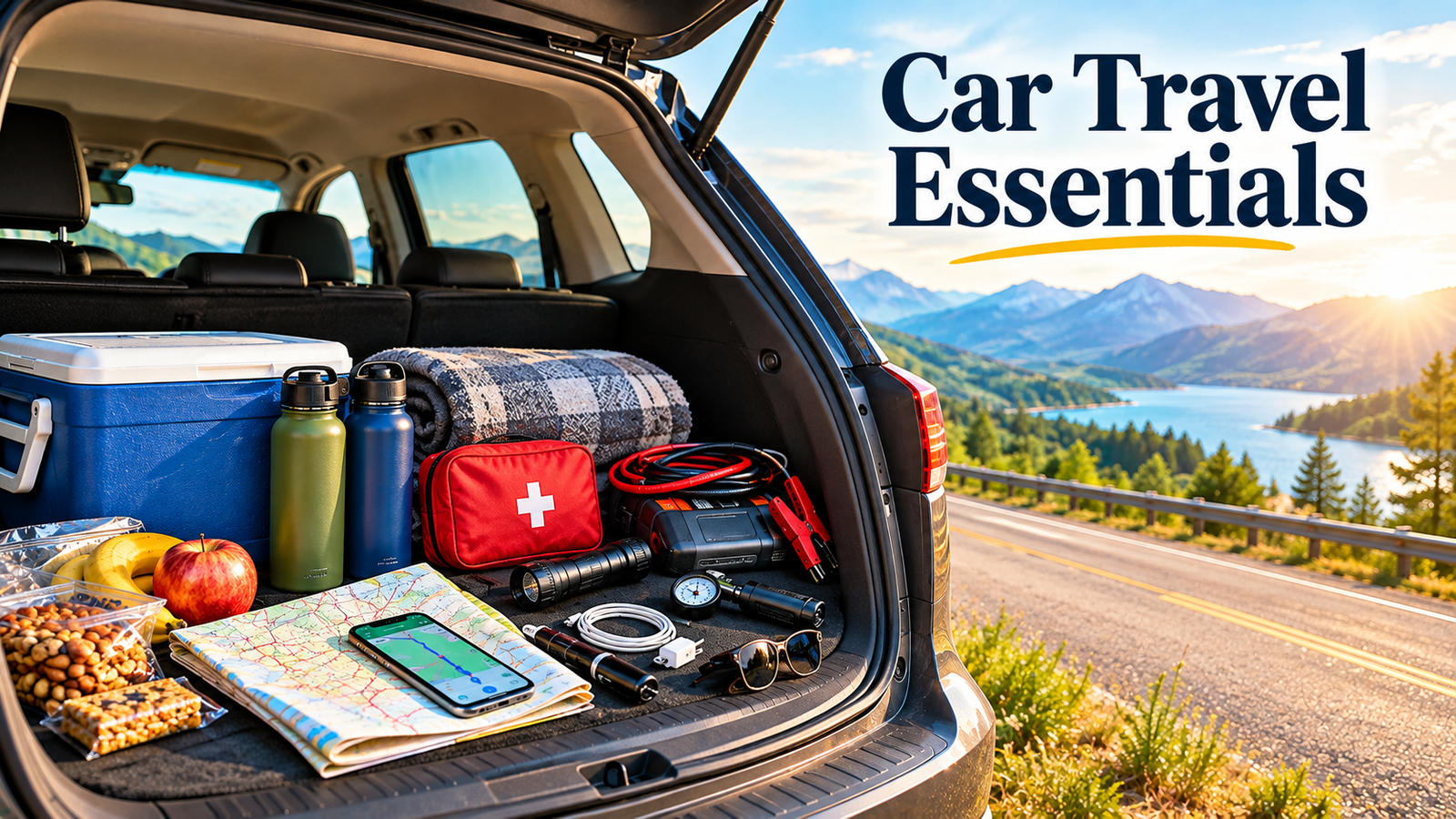
Car Travel Essentials: The Complete Road Trip Checklist for a Safe and Comfortable Journey
A road trip can be much easier when your car is properly prepared. The right car travel essentials can help you handle unexpected problems, stay comfortable during long drives, and avoid unnecessary expenses along the way.
You don’t need to fill your vehicle with every gadget available. You need a practical collection of safety items, navigation tools, basic supplies, food, documents, and emergency gear that actually makes sense for your trip.
This guide covers the most useful car travel essentials for road trips, including what to pack, what to check before leaving, and which items are worth prioritizing when space or budget is limited.
What Are Car Travel Essentials?
Car travel essentials are the items and supplies that help you travel safely, comfortably, and efficiently by car.
They generally fall into a few main categories:
- Safety and emergency equipment
- Vehicle maintenance supplies
- Navigation and communication
- Food and drinks
- Personal comfort items
- Important documents
- Cleaning supplies
- Entertainment and technology
- Family or pet-specific items
The exact list depends on your destination, trip length, weather, vehicle, and who is traveling with you.
A two-hour highway trip doesn’t require the same preparation as a week-long cross-country road trip.
Car Travel Essentials Checklist
If you want a simple starting point, use this checklist before packing the car.
| Category | Essential Items |
|---|---|
| Safety | First-aid kit, flashlight, reflective gear |
| Vehicle | Spare tire, jack, tire-pressure gauge |
| Emergency | Jumper cables, emergency charger, basic tools |
| Navigation | Phone, charging cable, offline maps |
| Food | Water, snacks, reusable bottles |
| Comfort | Blanket, neck pillow, sunglasses |
| Documents | License, registration, insurance information |
| Technology | Power bank, car charger |
| Cleaning | Trash bags, tissues, wipes |
| Weather | Appropriate clothing and weather gear |
You don’t necessarily need every item on the list. Think about the route and conditions first, then build your kit around those needs.
1. Safety Essentials for Your Car
Safety equipment should be one of your first priorities.
Even if your vehicle is reliable, problems can happen far from a gas station, repair shop, or populated area.
First-Aid Kit
A basic first-aid kit is useful for minor problems such as small cuts, blisters, scrapes, or headaches.
Your kit might include:
- Adhesive bandages
- Gauze
- Antiseptic wipes
- Medical tape
- Disposable gloves
- Tweezers
- Basic pain reliever
- Any personal medications you normally need
Check expiration dates before long trips and replace anything that has been used.
Flashlight
A flashlight is much more useful than relying entirely on your phone.
If you need to inspect a tire or vehicle problem after dark, a dedicated flashlight can preserve your phone battery for communication and navigation.
Consider carrying spare batteries or a rechargeable flashlight.
Reflective Safety Gear
If you experience a breakdown near traffic, visibility matters.
Useful items can include:
- Reflective vest
- Warning triangle
- Roadside visibility equipment
Follow local roadside-safety rules and avoid standing in traffic or attempting repairs in an unsafe location.
2. Vehicle Emergency Essentials
A road trip emergency kit doesn’t have to be complicated.
Some of the most useful items are simple tools that can help you deal with common vehicle problems.
Jumper Cables or a Portable Jump Starter
A dead battery can turn into a major inconvenience.
Jumper cables are useful when another vehicle is available, while a suitable portable jump starter can provide more independence.
If you carry a jump starter, charge it before leaving and check its instructions so you know how to use it.
Tire Repair and Inflation Supplies
A flat tire is one of the most common problems travelers may encounter.
Consider carrying:
- Properly inflated spare tire
- Tire jack
- Lug wrench
- Tire-pressure gauge
- Portable tire inflator
- Tire repair kit where appropriate
Don’t assume your spare tire is ready simply because it’s stored in the vehicle.
Check its condition and pressure before departure.
Basic Tools
A small vehicle tool kit can be useful for simple situations.
Depending on your vehicle, you might carry:
- Screwdrivers
- Pliers
- Adjustable wrench
- Work gloves
- Duct tape
- Zip ties
These aren’t substitutes for professional repairs, but they can be helpful for minor problems.
3. Navigation and Communication Essentials
Your phone can handle navigation, communication, weather updates, and emergency calls, but it shouldn’t be your only plan.
Phone Charger
A reliable car charger is one of the easiest items to forget.
Bring:
- Car charging adapter
- Charging cable
- Backup cable if possible
- Power bank
For longer trips, keeping your phone charged becomes particularly important when you’re using GPS throughout the day.
Offline Maps
Cell service can become unreliable in rural or remote areas.
Before leaving, consider downloading offline maps for the areas you’ll travel through.
Also keep important addresses, hotel information, and reservation details accessible offline.
Paper Backup
A physical map may seem old-fashioned, but it can be useful if your phone fails, loses power, or cannot connect to a network.
You don’t need a huge collection of maps. A basic route overview can serve as a backup.
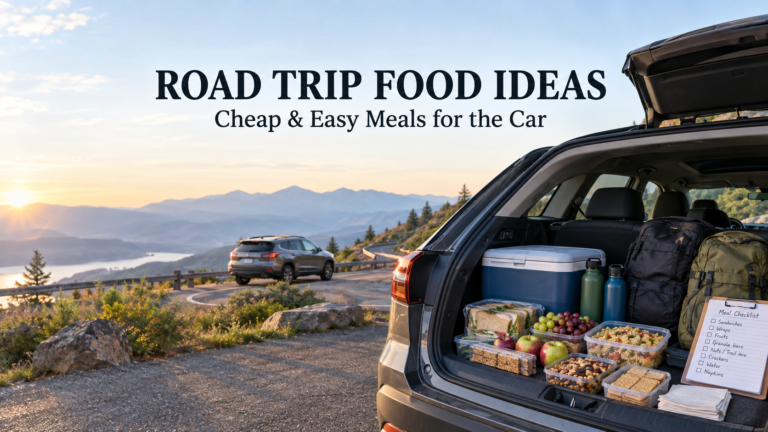
4. Food and Drinks to Pack
Food is another practical part of road trip preparation.
Buying every meal and drink at convenience stores, restaurants, and highway stops can make your trip considerably more expensive.
Water
Carry enough drinking water for your travel plans, especially if you’re traveling through areas where services are limited.
Reusable water bottles can reduce waste and make it easier to keep track of how much you’re drinking.
Road Trip Snacks
Good car snacks should be easy to store and relatively easy to eat.
Examples include:
- Nuts
- Crackers
- Granola bars
- Fresh fruit
- Dried fruit
- Sandwiches
- Popcorn
- Protein-rich snacks
Avoid packing foods that melt easily or create a major mess inside the car.
Small Cooler
A compact cooler can be especially useful for longer journeys.
You can use it for:
- Cold drinks
- Fruit
- Sandwiches
- Cheese
- Other perishable foods
Remember that perishable food needs appropriate temperature control and shouldn’t simply be left in a warm vehicle.
5. Comfort Essentials for Long Drives
A vehicle can be perfectly safe and still become uncomfortable after several hours.
A few inexpensive items can make a noticeable difference.
Sunglasses
Glare can become tiring during daytime driving.
Keep a pair of sunglasses easily accessible rather than buried in your luggage.
Travel Pillow
A small neck or travel pillow can make rest stops more comfortable for passengers.
The driver should always remain properly positioned and alert while the vehicle is moving.
Blanket
A lightweight blanket can be useful when temperatures change during the journey.
It’s particularly handy for passengers, children, or overnight stops.
Comfortable Clothing
Choose clothing based on the weather and trip duration.
For long drives, comfort generally matters more than dressing for appearance alone.
6. Important Documents
Keep important travel documents accessible but secure.
Depending on your trip, these may include:
- Driver’s license
- Vehicle registration
- Insurance information
- Hotel reservations
- Rental car documents
- Emergency contact information
- Roadside assistance information
- Relevant travel documents
Don’t leave sensitive documents unnecessarily visible inside the vehicle.
It’s also useful to keep digital copies of important information where appropriate.
7. Car Cleaning Essentials
Road trips can get messy quickly, especially with children, food, drinks, or multiple passengers.
A small cleaning kit can help.
Pack:
- Trash bags
- Tissues
- Paper towels
- Wet wipes
- Microfiber cloth
- Hand sanitizer
- Small reusable bags
A simple rule helps: clean the car for five minutes at every major stop instead of waiting until the end of the trip.
8. Technology and Entertainment
Technology can make long-distance travel easier, but don’t let entertainment become a distraction for the driver.
Useful items include:
- Phone
- Car charger
- Power bank
- Headphones for passengers
- Tablet for passengers
- Downloaded music or podcasts
- Downloaded movies for passengers
- Charging cables
Drivers should keep their attention on the road and use hands-free functions where legally permitted.
9. Car Travel Essentials for Families
Traveling with children usually requires a little more preparation.
Depending on the child’s age, consider:
- Appropriate child safety seats
- Extra clothes
- Snacks
- Water
- Wet wipes
- Tissues
- Small blankets
- Travel games
- Books
- Headphones
- Entertainment devices
- Plastic or reusable bags for messes
Pack frequently needed items where they can be reached without unpacking the entire vehicle.
For example, don’t put children’s snacks underneath three suitcases.
10. Car Travel Essentials for Solo Travelers
Solo road trips require a slightly different approach because you don’t have another passenger to help with navigation, vehicle problems, or logistics.
Before leaving, make sure someone you trust knows your general itinerary.
Also consider carrying:
- Fully charged phone
- Power bank
- Emergency kit
- Water
- Food
- Flashlight
- Offline maps
- Basic vehicle equipment
Avoid driving when you’re extremely tired simply because you want to reach your destination sooner.
A planned overnight stop can be much more sensible than pushing through exhaustion.
11. Weather-Specific Car Essentials
Your packing list should change according to the conditions you’re likely to encounter.
Hot Weather
Consider:
- Extra drinking water
- Sunglasses
- Sun protection
- Cooler
- Extra fluids for appropriate vehicle needs
- Lightweight clothing
Check the vehicle’s cooling system and tire condition before a long trip.
Cold Weather
Depending on conditions, you may need:
- Warm clothing
- Gloves
- Blankets
- Appropriate emergency supplies
- Ice scraper
- Winter-appropriate vehicle equipment
Check weather forecasts and road conditions before leaving.
Rainy Weather
Carry:
- Rain jackets
- Umbrellas
- Waterproof bags
- Extra clothes
- Towels
Wet conditions can also affect driving conditions, so adjust your speed and following distance appropriately.
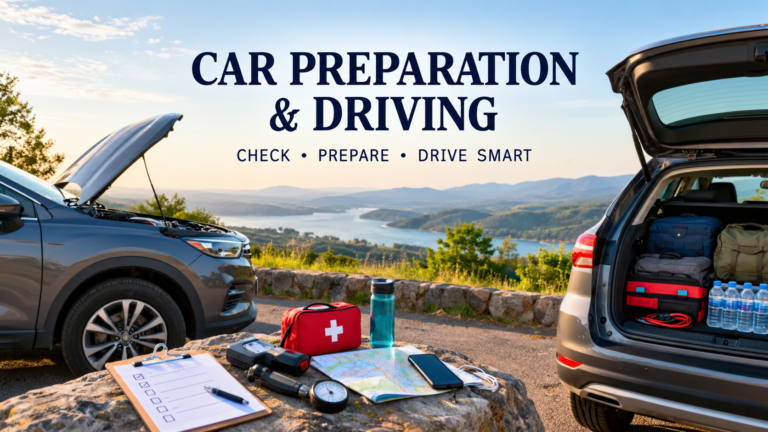
12. Check Your Car Before a Road Trip
Packing the right items is only half the preparation.
Your vehicle itself deserves a quick inspection before a long journey.
Check These Basics
- Tire pressure
- Tire tread and condition
- Spare tire
- Engine oil
- Coolant
- Windshield washer fluid
- Lights
- Wipers
- Brakes
- Battery condition
- Fuel level
If your vehicle is due for scheduled maintenance, consider completing it before the trip rather than waiting until you’re hundreds of miles from home.
For serious mechanical concerns, have the vehicle inspected by a qualified professional.
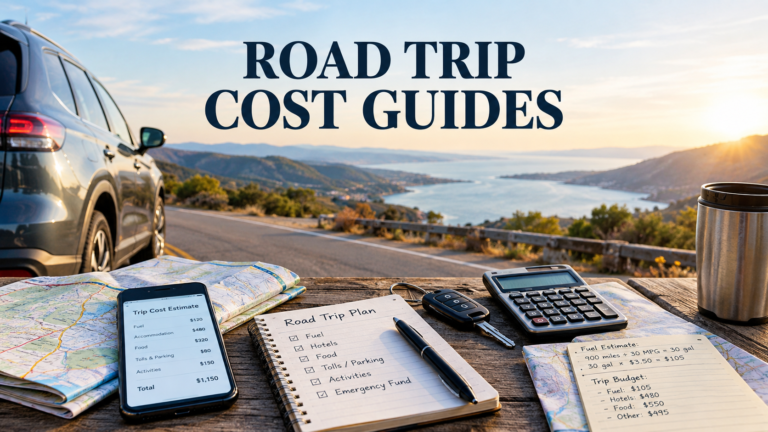
13. How Much Should You Spend on Car Travel Essentials?
You don’t need to spend hundreds of dollars building an emergency kit.
Start with the essentials you don’t already own.
For example:
| Item | Priority |
|---|---|
| First-aid kit | High |
| Flashlight | High |
| Phone charger | High |
| Tire-pressure gauge | High |
| Spare tire/jack | High |
| Water | High |
| Jumper cables or jump starter | High |
| Basic tools | Medium |
| Cooler | Medium |
| Travel pillow | Medium |
| Entertainment accessories | Optional |
The smartest approach is to build your kit gradually.
If you already have a flashlight, first-aid kit, power bank, and tire gauge at home, there may be no reason to buy another set just for one road trip.
14. A Simple $50–$100 Road Trip Essentials Strategy
If your budget is limited, prioritize safety before comfort.
For example, your first purchases could be:
- First-aid kit
- Flashlight
- Tire-pressure gauge
- Basic emergency equipment
- Phone charging solution
- Water and snacks
- Basic cleaning supplies
Once the essentials are covered, you can add comfort items such as a cooler, travel pillows, organizers, or entertainment accessories.
The exact cost will depend on what you already own and the quality of the equipment you choose.
15. Common Car Travel Mistakes to Avoid
Even experienced travelers can forget basic preparation.
Packing Too Much
A larger pile of gear doesn’t automatically mean better preparation.
Only bring items that serve a practical purpose.
Forgetting the Spare Tire
A spare tire isn’t useful if it’s flat, damaged, or inaccessible.
Check it before departure.
Relying Completely on Your Phone
Phones are incredibly useful, but batteries, networks, and devices can fail.
Keep a charging backup and important information available offline.
Ignoring Vehicle Maintenance
Don’t wait until the morning of a major road trip to discover that your tires need attention or your oil service is overdue.
Give yourself enough time to deal with problems before departure.
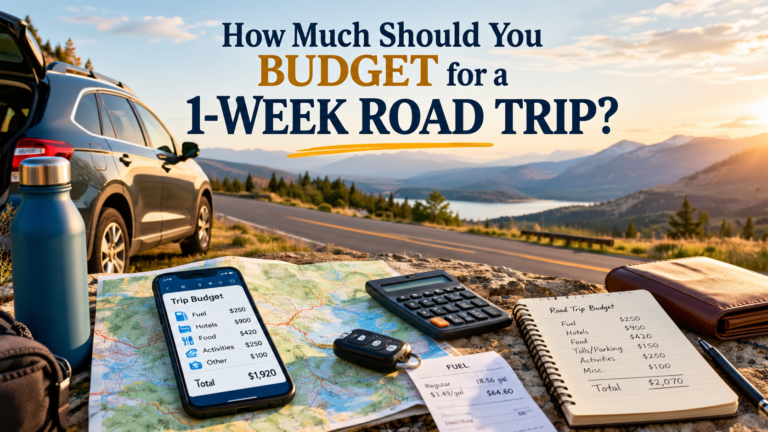
Forgetting Emergency Money
Keep some financial room beyond your planned spending.
A small emergency buffer can cover unexpected fuel, food, parking, repairs, or accommodation without disrupting the entire trip budget.
16. The Ultimate Pre-Trip Car Checklist
Use this checklist the night before departure.
Vehicle
- Check tire pressure
- Inspect tires
- Check spare tire
- Check oil and fluids
- Check lights
- Check windshield wipers
- Check fuel level
- Check battery condition
Safety
- First-aid kit
- Flashlight
- Reflective safety equipment
- Emergency supplies
- Jumper cables or jump starter
Navigation
- Phone charged
- Charging cable
- Car charger
- Offline maps
- Route saved
Food
- Water
- Snacks
- Cooler if needed
- Reusable bottles
Personal
- Sunglasses
- Comfortable clothing
- Blanket
- Medications
- Toiletries
Documents
- Driver’s license
- Registration
- Insurance information
- Reservations
- Emergency contacts
FAQ: Car Travel Essentials
Final Thoughts
The best car travel essentials aren’t necessarily the most expensive gadgets. They’re the practical items that help you stay safe, comfortable, organized, and prepared when something doesn’t go exactly according to plan.
Before your next road trip, start with the basics: inspect your vehicle, check your tires, prepare an emergency kit, charge your devices, pack water and snacks, organize your documents, and keep some extra money available for unexpected expenses.
Then adjust your checklist for the destination, weather, trip length, and passengers.
A few minutes of preparation before leaving can save you considerable stress once you’re several hours from home.